Accuracy in the Gerber Centrifugal milk testing
Accuracy in the Gerber method for milk fat testing relies heavily on precise reagent volumes (milk, sulfuric acid, amyl alcohol), correct centrifuge operation (speed/time, temperature control), proper shaking, and careful reading of the fat column in a heated water bath, with modern centrifuges offering digital controls, temperature regulation (around 65-70°C), and safety features to minimize human error for reliable results, making it a standard low-cost method for quality control.
Key Factors for Accuracy
"Reagent Quality & Volume : Use calibrated pipettes for exactly 10.75 ml milk, 10 ml sulfuric acid (specific gravity ~1.81), and 1 ml amyl alcohol to ensure proper separation and dissolution.
Mixing : Thoroughly shake the sealed butyrometer to mix contents, dissolving solids and releasing fat globules, but be careful with acid (wear gloves/goggles).
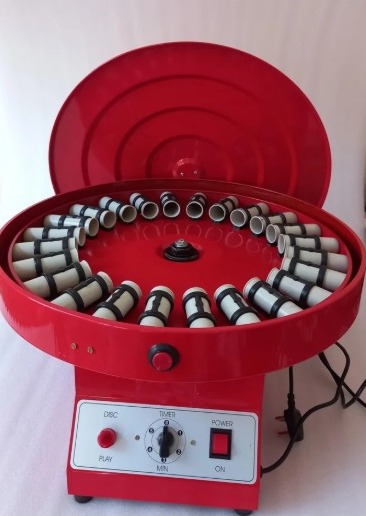
Centrifugation : Spin for about 5 minutes at controlled speeds (e.g., 1100 rpm or higher, depending on machine) to force fat to the top.
Heating : Immerse butyrometers in a water bath (65-70°C or ~140°F) for ~5 minutes to fully melt and separate the fat column.
Reading : Read the fat column directly from the butyrometer scale (bottom of fat to top of meniscus) with good lighting (safety lamp) after bringing the scale to the proper temperature. "
Modern Equipment Enhancements
"Microprocessor Control : Digital displays for speed (RPM) and time (minutes/seconds) ensure precise settings.
Temperature Control : Built-in heaters and digital settings maintain the critical water bath temperature (often 65-70°C).
Safety Features : Automatic lid locks and unbalance shut-offs prevent accidents and improve consistency. "
By controlling these variables with calibrated equipment and following standard procedures, the Gerber method provides accurate fat content measurement for quality control in dairy.